Pin Up Bestie Watercolor Clipart: Illustrations for Branding
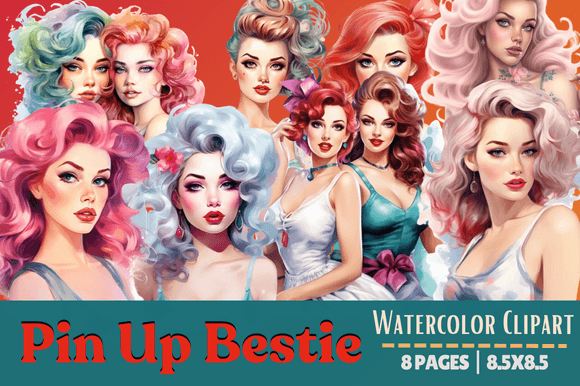
As a brand designer evaluating assets for an upcoming lifestyle campaign, my first impression of the Pin Up Bestie Watercolor Clipart is that it strikes a delicate balance between nostalgic charm and modern approachability. In the current landscape of content marketing, audiences are increasingly fatigued by sterile, overly polished corporate aesthetics. This specific graphic design asset introduces a necessary layer of warmth and personality that feels authentic rather than manufactured. The watercolor texture softens the visual impact, making it immediately suitable for brands that want to cultivate intimacy and trust. When reviewing this asset for a real-world project—specifically a seasonal product launch for a female-focused wellness boutique—the mood it creates is one of supportive friendship and vintage confidence. It does not scream for attention; instead, it invites the viewer into a narrative. For small business branding, this emotional resonance is often more valuable than technical perfection, as it helps establish a relatable brand identity right from the first touchpoint.
Elevating Social Media Graphics and Digital Campaigns
In a practical marketing workflow, versatility is non-negotiable. I recently integrated this clipart into a multi-channel campaign strategy where consistency was the primary challenge. For social media graphics, particularly Instagram carousels and Pinterest pins, the Pin Up Bestie Watercolor Clipart serves as an excellent anchor for visual hierarchy. Unlike rigid vector art, the organic edges of this illustration allow text to wrap naturally around the subject, creating a layout that feels editorial rather than templated. When designing Facebook ads or promotional banners, this asset performs exceptionally well because it humanizes the offer. A digital ad featuring a friendly, stylized character often sees higher engagement rates than text-only variants because it stops the scroll through emotional connection.
For content creators utilizing Canva templates, this asset bridges the gap between custom design and accessible DIY branding. It transforms generic layouts into bespoke marketing visuals without requiring advanced illustration skills. However, success depends on placement. I found that using the clipart as a supporting element in blog headers and email newsletters worked better than making it the sole focal point. It adds flavor to the content without distracting from the core message or call to action. This makes it a vital component for digital product promotion, where the goal is to showcase value while maintaining a cohesive aesthetic across all platforms.
Strategic Applications in Packaging and Editorial Design
Beyond digital screens, this asset holds significant weight in physical applications. During a packaging refresh project, we utilized similar watercolor elements to add shelf appeal to artisanal goods. The Pin Up Bestie Watercolor Clipart is ideally suited for packaging design, specifically for product labels, thank-you cards, and unboxing experience inserts. The hand-painted aesthetic signals "handmade" and "premium care," which justifies a higher price point in the minds of consumers. For editorial design projects like zines, lookbooks, or printed planners, the clipart provides visual breaks that guide the reader’s eye through dense information. It acts as a decorative signpost, reinforcing the theme without overwhelming the typography.
This asset also shines in merchandise creation. Whether applied to stickers, tote bags, or apparel, the style translates well to print because the watercolor gradients hide minor printing imperfections better than flat colors. For entrepreneurs selling printable design products or digital planners, incorporating this clipart adds perceived value to the bundle. It suggests a level of artistic curation that stock photography simply cannot match. By anchoring the visual language in this specific retro-modern style, brands can create a recognizable signature look that extends from their website header down to the smallest product tag.
Where to Exercise Caution in Professional Branding
While the Pin Up Bestie Watercolor Clipart is a powerful tool, it is not universally appropriate. As a marketer, I must emphasize knowing where this asset should be used carefully. It is generally ill-suited for formal corporate branding, legal services, or high-tech B2B sectors where authority and precision outweigh whimsy. In these contexts, the playful nature of the illustration could undermine audience trust or appear unprofessional. Additionally, designers must be wary of using this asset in dense information layouts or small mobile graphics. The intricate details of watercolor textures can become muddy when scaled down too aggressively, leading to a messy appearance that degrades the user experience.
Contrast is another critical consideration. Because watercolor relies on soft edges and varying opacity, placing this clipart on low-contrast backgrounds or busy photographic patterns can render it invisible. It requires breathing room and solid negative space to maintain its integrity. Furthermore, brands with an ultra-minimalist or brutalist aesthetic may find this asset clashes with their established visual codes. In such cases, forcing the clipart into the design system will create dissonance rather than harmony. Always evaluate whether the asset supports the existing modern design direction or detracts from it. If the goal is stark efficiency, this illustrative style may introduce unnecessary noise.
Essential Designer Notes for Commercial Implementation
Before deploying the Pin Up Bestie Watercolor Clipart in any paid campaign or client work, rigorous testing is mandatory. First, always verify the commercial license. Using a personal-use asset for business purposes is a common pitfall that can lead to legal issues. Ensure you have the correct rights for commercial design, especially if the asset will be part of a product for resale or a large-scale advertising campaign. Next, test the asset against your specific brand color palette. While PNG designs often come with fixed colors, understanding how they interact with your brand's primary and secondary hues is crucial for cohesion. You may need to adjust overlay modes or saturation levels to ensure seamless integration.
- Typography Pairing: Test the clipart against various font styles. It typically pairs beautifully with elegant serifs and organic handwritten scripts but may clash with geometric sans-serifs. Find the combination that reinforces your brand voice.
- Monochrome Testing: Check how the illustration reads in black and white. Many marketing materials are printed in grayscale or viewed in dark mode; the asset must retain its recognizability without color cues.
- Mockup Validation: Never judge the asset in isolation. Place it inside real campaign mockups, website headers, and social media frames to assess scale and balance. What looks good on a canvas may feel cramped in a 1080x1080 post.
- Competitor Analysis: Compare your usage against competitor visuals. If everyone in your niche uses similar pin-up illustrations, consider how to style yours differently to maintain distinctiveness and avoid looking generic.
- File Format Awareness: Understand the difference between working with SVG design files versus raster PNGs. For web design and scalable applications, vector formats are superior, whereas high-resolution PNGs are best for print and complex textured compositions.
Ultimately, the Pin Up Bestie Watercolor Clipart is more than just a decorative element; it is a strategic communication tool. When used with intention, it enhances professional branding by adding a layer of human connection that pure typography cannot achieve. For creative entrepreneurs and marketers, mastering the application of such design assets is what separates amateur content from compelling brand storytelling. By respecting its limitations and leveraging its emotional strengths, you can build campaigns that are not only visually consistent but deeply resonant with your target audience. Remember that every asset in your creative marketplace toolkit should serve a purpose, and this clipart’s purpose is to make your brand feel like a friend.