Teddy Bear Tea Party Illustrations: A Seller Review
As a digital product creator who manages multiple shops across Etsy and Creative Fabrica, I approach every new graphic design asset with a critical eye. It is not enough for an illustration to be cute; it must be commercially viable, technically sound, and versatile enough to justify the investment. When evaluating this Teddy Bear Tea Party Watercolor Clipart collection for my upcoming nursery and birthday party product lines, my primary focus was on its potential to generate revenue across various formats. This review breaks down my real-world testing process, assessing how these illustrations perform when transformed into sellable merchandise, printable designs, and digital downloads.
First Impressions and Niche Marketability
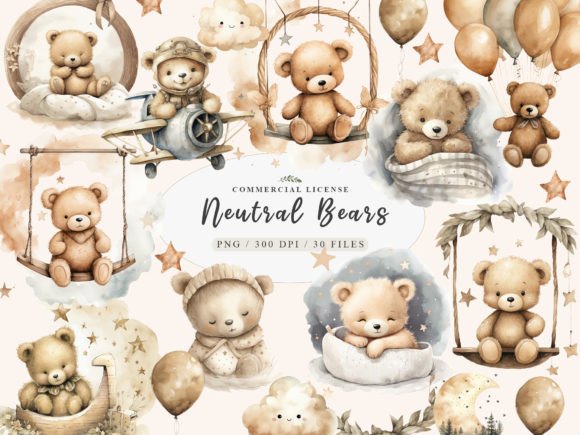
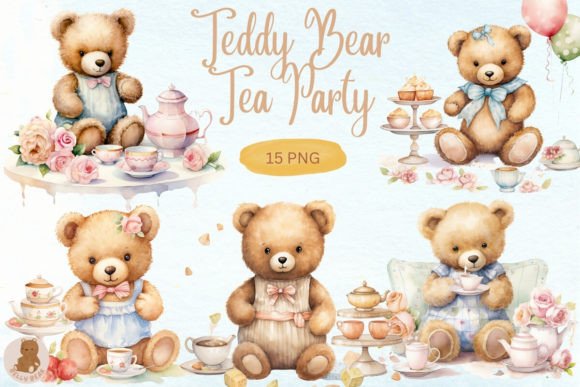
Upon opening the file pack, the immediate impression is one of soft, nostalgic elegance rather than generic cartoonishness. The watercolor texture possesses a handmade quality that resonates deeply with the current market demand for organic, non-AI-looking aesthetics. For sellers targeting the baby shower, first birthday, and nursery decor niches, this visual personality is crucial. Buyers in these categories are often looking for commercial design assets that feel premium and gentle. The color palette leans toward warm neutrals and soft pastels, which suggests high compatibility with modern boho and vintage-inspired themes. Unlike bold, saturated graphics that can look cheap on screen, these illustrations maintain their integrity when scaled, making them suitable for both digital viewing and physical print products.
Testing Versatility Across Product Types
A successful digital product shop relies on maximizing the utility of a single design bundle. I tested this clipart across three distinct product categories to evaluate its commercial flexibility.
Print-on-Demand and Sublimation Design
For print-on-demand sellers, resolution and color fidelity are non-negotiable. I placed the high-resolution PNG design files onto t-shirt and mug mockups to test contrast. The watercolor edges blended beautifully on white and cream fabrics but required careful adjustment on darker textiles. As a sublimation design, the details held up well at 8x10 inches for tumbler wraps, though I recommend avoiding extreme scaling beyond 300 DPI to prevent pixelation. The whimsical nature of the teddy bears makes these ideal for children’s apparel and personalized gift items, specifically for "Teddy Bear Picnic" themed events.
Digital Stationery and Canva Templates
I imported the assets into Canva to create editable invitation templates. Here, the transparent backgrounds were essential. The clipart layered seamlessly over textured digital paper without harsh white boxes, allowing for professional-looking social media graphics and party stationery. For digital planners and sticker design enthusiasts, the individual elements are distinct enough to be cropped into functional planner stickers. However, creators should note that the intricate watercolor shading may not translate perfectly to low-resolution e-ink displays, so these work best for iPad-based planning apps or printable PDF kits.
Cricut Projects and Cut Files
This is where caution is necessary. While the product includes SVG design options, watercolor art is inherently complex for cutting machines. I tested the cut files on cardstock using a Cricut Maker. The simpler bear silhouettes cut cleanly, making them excellent for cake toppers and scrapbooking kits. However, the detailed tea set illustrations have too many internal anchor points for reliable vinyl weeding. If you plan to sell Cricut project files based on this asset, I strongly advise creating simplified offset outlines or selling them strictly as "print then cut" stickers rather than standalone vinyl decals.
Elevating Listing Images and Visual Hierarchy
In a crowded creative marketplace, your thumbnail determines your click-through rate. These illustrations excel in product presentation because they provide instant emotional context. When designing listing images, I used the larger compositional pieces as hero images to establish the theme, while smaller isolated elements served as decorative accents in the corners. This creates a balanced visual hierarchy that guides the buyer’s eye without overwhelming the text. For brand identity consistency, pairing these soft illustrations with a classic serif font or a delicate handwritten script enhances the perceived value. Avoid using heavy, bold display fonts, as they clash with the delicate watercolor style and can make the product look disjointed.
Strategic Placement: Where the Asset Shines
Based on my testing, this Teddy Bear Tea Party Watercolor Clipart performs exceptionally well in specific applications:
- Large Format Prints: Nursery wall art and welcome signs benefit from the high detail and painterly texture.
- Themed Bundles: Packaging this with matching digital paper or border elements increases average order value.
- Social Media Promos: The aesthetic is highly shareable on Pinterest and Instagram, driving organic traffic to Etsy shops.
- Packaging Design: Perfect for thank-you cards, tissue paper patterns, and branding materials for small businesses specializing in children's goods.
Risk Assessment: Where to Exercise Caution
No graphic design asset is perfect for every use case. To protect your shop’s reputation and reduce customer service inquiries, be mindful of the following limitations:
- Tiny Details: Avoid using these illustrations for jewelry charms or extremely small embroidery digitizing; the watercolor gradients will be lost.
- Dark Backgrounds: Unless you are skilled at masking, the light tones may disappear against black or navy backgrounds in POD products.
- Complex Layouts: Because the art is detailed, avoid cluttering templates with excessive text. Negative space is your friend.
- Low-Res Previews: Always provide high-quality zoom previews. Buyers need to see the brushstroke texture to trust the file quality.
Essential Seller Checklist Before Publishing
Before listing any product derived from this collection, run through this practical validation process to ensure commercial readiness:
- Verify Licensing: Double-check the commercial license terms. Confirm if you can use the asset in end products for sale versus requiring an extended license for mass production.
- Test Print Colors: Screen colors differ from CMYK output. Print a physical proof to ensure the watercolors do not appear muddy or oversaturated on paper.
- Check Transparency: Open every PNG file to ensure no stray artifacts or incomplete erasures exist around the edges.
- Font Pairing Test: Create at least three mockups using different typography styles to confirm the illustration’s versatility.
- File Organization: Customers appreciate clarity. Separate files into folders like "Individual Elements," "Full Compositions," and "SVG Cut Files" before zipping.
- Mockup Realism: Use realistic product mockups rather than flat digital overlays. Showing the art on a real ceramic mug or textured cardstock builds trust and demonstrates scale.
Final Verdict for Digital Entrepreneurs
From a business perspective, the Teddy Bear Tea Party Watercolor Clipart is a robust asset for sellers in the children’s niche. Its strength lies in its dual ability to serve as both a standalone printable design and a foundational element for broader branding projects. While it requires careful handling for vinyl cutting applications, its performance in sublimation, digital stationery, and nursery decor is excellent. By respecting the technical constraints and leveraging its soft, premium aesthetic in your marketing visuals, this collection can become a reliable revenue driver for your online shop. Remember, success in selling digital products comes not just from the art itself, but from how professionally you package, present, and validate it for your specific audience.