Watercolor Bunny Reading Clipart PNG Review
As a designer who spends more time behind an embroidery machine than a computer screen, I approach digital assets with a healthy dose of skepticism. When I first opened the Watercolor Bunny Reading Clipart PNG, I wasn't looking for just another cute graphic; I was evaluating whether this illustration could survive the transition from pixel to thread. For those of us running a craft business or managing an Etsy seller account, the difference between a pretty screen image and a viable machine embroidery design is often where profit margins live or die. This review breaks down my practical assessment of using this specific artwork for real-world stitching projects, focusing on texture, density, and commercial viability.
First Impressions: Whimsy Meets Technical Reality
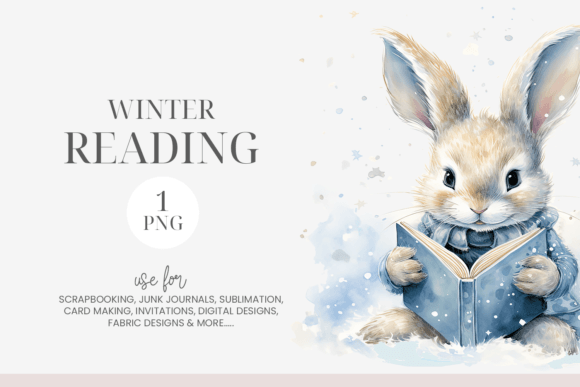
The immediate mood of the Watercolor Bunny Reading Clipart PNG is undeniably soft and nostalgic. It evokes a sense of quiet comfort, making it naturally suited for nursery decor, baby embroidery, or cozy holiday gifts. Visually, the watercolor style relies on color blending and soft edges rather than harsh outlines. From a digitizing perspective, this is both a blessing and a challenge. The lack of rigid borders allows for creative interpretation in stitch types, but it also demands careful planning to prevent the design from looking muddy once stitched out.
I immediately envisioned this as a centerpiece for a custom embroidered sweatshirt or a personalized gift for a young reader. The composition is balanced, with the bunny’s posture creating a natural triangular shape that sits well in standard hoop sizes. However, because this originates from Illustrations rather than vector line art, I had to assess how the gradient washes would translate into fill stitch areas. A successful watercolor embroidery file requires variable density to mimic paint transparency, and this artwork provides enough visual information to guide that process without being overly cluttered.
Real-World Application: The Tote Bag Test
To truly evaluate this asset, I mentally walked through a recent client request for a boutique-style tote bag design. The client wanted a "storybook" aesthetic for a library fundraiser merchandise line. The Watercolor Bunny Reading Clipart PNG was a strong contender, but canvas tote bags present unique challenges due to their coarse fabric texture and tendency to shift.
In this scenario, the design’s reading book element serves as an excellent anchor point. I would likely digitize the book using a satin stitch border to provide structure, while treating the bunny’s fur with a lighter fill stitch to maintain the watercolor illusion. For a handmade product like this, the design needs to be legible from a distance. The open spaces in the illustration are crucial here; if the entire area were dense fill stitch, the tote bag would become stiff and unappealing. This clipart offers enough negative space to keep the finished product soft and tactile, which is essential for customer satisfaction in the apparel and accessories market.
Navigating Fabric Choices and Stabilizer Needs
Not every fabric is friendly to watercolor-style embroidery, and this design is no exception. Through years of trial and error, I have learned that high-detail illustrations require stable foundations. Here is how I would categorize fabric compatibility for this specific artwork:
- Woven Cottons and Linens: Ideal candidates. These fabrics hold stitch definition well, allowing the subtle color transitions of the bunny to shine. Perfect for tea towels, pillow covers, and quilt blocks.
- Fleece and Minky: Excellent for baby embroidery, but risky. The pile can swallow fine details. You must use a water-soluble topping and potentially simplify small facial features to ensure the expression remains visible after washing.
- Stretchy Knits: Proceed with caution. If using this for t-shirts or lightweight sweatshirts, the stitch density must be managed carefully to prevent puckering. A cut-away stabilizer is non-negotiable here to support the weight of the fill stitches.
- Dark Fabrics: Watercolor effects rely on light passing through thread. On black or navy fabric, the design will lose its ethereal quality unless you stitch a white underlay base first. Always test contrast before committing to a full production run.
For small shop products intended for frequent washing, such as aprons or kitchen towels, ensure your digitizing includes adequate underlay. The Watercolor Bunny Reading Clipart PNG has delicate extremities (ears, paws) that could distort over time without proper structural stitching beneath the decorative layers.
Commercial Viability for Sellers and Makers
For Etsy sellers and creative entrepreneurs, time is money. Does this design justify the digitizing effort? Absolutely, provided you target the right niche. The "reading bunny" theme has evergreen appeal, particularly during back-to-school seasons, Easter, and winter holidays. Unlike trendy meme-based designs, this artwork fits into a classic category that supports higher price points for personalized gifts.
However, professionalism matters. Before listing any finished product derived from this digital embroidery file, verify the licensing terms. Ensure you have commercial rights for physical items versus digital redistribution. Additionally, when creating printable mockups for your listings, do not simply overlay the PNG. Customers trust sellers who show actual stitch-outs or highly realistic renderings that acknowledge thread texture. Using this clipart to create accurate digital previews helps set correct expectations regarding color blending and detail level, reducing returns and building brand consistency.
Critical Designer Notes for Success
If you decide to incorporate the Watercolor Bunny Reading Clipart PNG into your next embroidery project, keep these technical considerations at the forefront of your workflow:
- Test Stitch is Mandatory: Never run this design directly onto a final garment without a test. Watercolor styles are sensitive to thread tension and color mixing. Run a sample on scrap fabric similar to your final project to check registration and coverage.
- Evaluate Small Details: Inspect the bunny’s face and book text at your intended size. If scaling down for a baby onesie or cap, tiny elements may need to be removed or converted to running stitch to prevent needle breaks and thread bunching.
- Thread Color Selection: Do not rely solely on auto-digitizing software color matching. Manually select thread colors that blend optically. Sometimes using two similar shades in a gradient fill creates a better watercolor effect than a single variegated thread.
- Hoop Size Verification: Confirm the design dimensions fit your machine’s capabilities without excessive re-hooping. Multi-position hooping increases the risk of alignment errors, which can ruin the seamless look required for this artistic style.
- Mockup in Black and White: Before choosing colors, view the digitized file in grayscale. This reveals whether the design has enough value contrast to be recognizable without relying on color alone. Good embroidery stands on structure first, color second.
Final Thoughts on Artistic Translation
The Watercolor Bunny Reading Clipart PNG represents a beautiful intersection of digital art and textile potential. It is not merely a picture to be copied, but a blueprint for texture and emotion. Whether you are crafting a bespoke nursery blanket, stocking a boutique with literary-themed apparel, or expanding your catalog of commercial embroidery assets, success lies in respecting the medium. By adjusting stitch density, selecting appropriate stabilizers, and testing rigorously, you can transform this charming illustration into a high-value handmade product that resonates with customers and showcases true craftsmanship. Always remember that in embroidery, the best design is one that feels as good as it looks.