Watercolor Cute Penguins Clipart: Editorial Illustrations
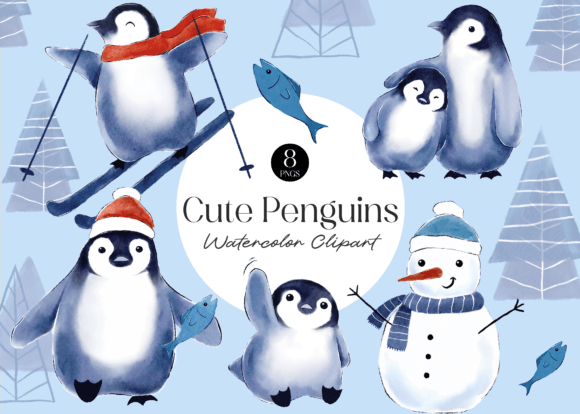
As a digital publisher and blog designer, my first interaction with any graphic design asset is always a critical stress test. I am not looking at art in a vacuum; I am evaluating a tool for communication. When I opened the files for Watercolor Cute Penguins Clipart, my immediate assessment focused on editorial utility and emotional resonance. The collection immediately establishes a mood that is soft, approachable, and distinctly handcrafted. Unlike sterile vector graphics or generic stock photography, these watercolor illustrations carry an organic texture that signals authenticity to the reader. For content creators in niches like parenting, early childhood education, winter lifestyle, or cozy reading communities, this asset pack does more than decorate a page; it validates the tone of the written content. The visual language here is gentle yet distinct, creating an instant connection with audiences who value warmth and creativity over corporate polish.
Elevating Blog Graphics and Featured Images
In the real-world workflow of managing a content site, the featured image is the primary hook. I tested Watercolor Cute Penguins Clipart as a central element for blog post thumbnails and category headers. The soft edges and translucent layers of the watercolor style allow for seamless integration with solid color backgrounds or subtle textures, which is essential for maintaining a clean visual hierarchy. When designing a featured image for a "Winter Reading List" or a "Cozy Home Activities" post, these penguins provide a focal point that draws the eye without competing with headline typography. From an editorial design perspective, the whitespace inherent in the clipart composition makes it incredibly easy to overlay text. This is crucial for click-through rates; if the text is illegible against a busy background, the graphic fails its purpose. These illustrations solve that problem by offering high-contrast negative space naturally within the artwork itself.
Pinterest Pins and Social Media Performance
Social media traffic, particularly from Pinterest, relies heavily on vertical visuals that stop the scroll. I incorporated Watercolor Cute Penguins Clipart into several Pinterest pin templates to test their stopping power. The results were significant. The cute factor acts as a pattern interrupt in feeds dominated by bold sans-serif text and high-saturation photography. However, the true value lies in versatility. Because these are individual elements rather than flattened scenes, I could arrange them dynamically around title blocks and call-to-action buttons. For social media graphics on Instagram or Facebook, the penguins serve as excellent decorative accents in carousel slides or story highlights. They add personality to affiliate marketing posts for children’s books or winter gear, making promotional content feel more like a friendly recommendation and less like a hard sell. This shift in perception is vital for building long-term audience trust.
Digital Products and Printable Design Applications
Beyond web content, this asset class shines in the creation of monetizable resources. As a publisher developing lead magnets and paid downloads, I look for assets that justify a price point or encourage an email signup. Watercolor Cute Penguins Clipart is exceptionally well-suited for printable design projects. I envision these being used effectively in educational worksheets for preschoolers, winter-themed journaling pages, or festive greeting card templates. The resolution and brushwork detail hold up beautifully when printed, avoiding the pixelation issues common with lower-quality web graphics. For creators selling on platforms like Etsy or Teachers Pay Teachers, or those offering exclusive content upgrades to subscribers, these illustrations add perceived value. A simple PDF checklist transforms into a desirable digital product when adorned with professional-grade watercolor art. It bridges the gap between functional utility and aesthetic delight, which is the hallmark of successful creative entrepreneurship.
Newsletter Headers and Email Engagement
Email marketing often suffers from visual fatigue. Subscribers are accustomed to plain text or repetitive header images. Integrating Watercolor Cute Penguins Clipart into newsletter designs offers a refreshing update that aligns with seasonal campaigns or thematic series. I found that using a single penguin element as a recurring motif in email footers or section dividers helps reinforce brand identity without overwhelming the message. It creates a cohesive thread between your website and your inbox presence. Furthermore, because email clients can be temperamental with large image files, the relatively simple nature of these watercolor illustrations allows for optimization without losing charm. They load quickly and render consistently across devices, ensuring that your content marketing efforts look polished whether viewed on a desktop monitor or a mobile phone during a commute.
Strategic Placement and Visual Hierarchy Considerations
While versatile, this specific style requires intentional placement to maintain professional standards. Watercolor Cute Penguins Clipart works best when given room to breathe. It excels in hero sections, sidebar widgets, and as spot illustrations breaking up long-form text. However, publishers should exercise caution when using these assets in highly technical or corporate environments where such whimsy might undermine authority. Additionally, avoid placing detailed watercolor elements directly behind small body text; the varying opacity of the paint strokes can reduce readability scores. In terms of web design, these illustrations pair most successfully with serif fonts for a classic editorial look or rounded sans-serifs for a modern, friendly vibe. Avoid pairing them with overly grungy or distressed typefaces, as the conflicting textures can create visual noise. Always test your layouts in grayscale to ensure the values work independently of color, guaranteeing accessibility and clarity for all users.
Publisher Workflow and Licensing Compliance
Before integrating any design assets into a commercial project, due diligence is non-negotiable. My review process includes verifying the commercial license terms specifically for the intended use case. If you plan to use Watercolor Cute Penguins Clipart in a Canva template that you intend to sell or distribute, confirm that the license permits derivative works and template creation. Many licenses cover end-products but restrict resale of editable files. Also, consider file management. Raw watercolor files can be heavy. Always compress PNGs for web use to maintain site speed, as slow-loading blog graphics negatively impact SEO and user experience. Test the assets on actual mobile screens, not just browser resizing tools, to ensure touch targets remain clear and visuals remain crisp. Finally, document your usage rights. Keeping a record of your license purchase protects your business and ensures ethical compliance within the creative marketplace.
Ultimately, Watercolor Cute Penguins Clipart represents more than just seasonal decoration; it is a strategic asset for publishers aiming to soften their digital presence while maintaining high production values. Whether utilized for enhancing affiliate marketing visuals, crafting engaging lead magnets, or simply bringing joy to a daily blog post, these illustrations offer a unique blend of artistic charm and functional design. By approaching this asset with a publisher’s mindset—focusing on hierarchy, licensing, and audience psychology—you transform simple clipart into a powerful component of your broader small business branding strategy. The result is content that feels human, trustworthy, and visually compelling in an increasingly automated digital landscape.