Watercolor Woodland Animal Cupid Clipart Review
As an embroidery designer who has digitized and stitched out countless woodland themes, I approach new digital assets with a critical eye. When evaluating the Watercolor Woodland Animal Cupid Clipart for potential use in machine embroidery design projects, my first thought is always about translation. How will these soft, painted Illustrations actually perform when converted into thread? This specific collection strikes a delicate balance between whimsical charm and structural integrity, making it a strong contender for specific handmade product lines, provided you understand its limitations on fabric.
First Impressions and Visual Personality
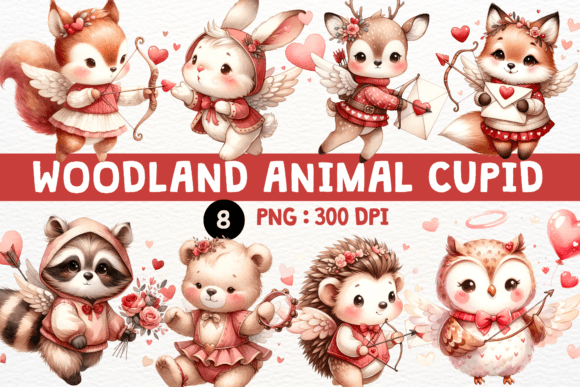
The immediate mood of this Watercolor Woodland Animal Cupid Clipart is undeniably sweet without being cloying. The aesthetic leans into a modern nursery vibe rather than a cartoonish look, which significantly increases its perceived value for commercial embroidery applications. The watercolor style implies soft edges and color blending, which presents both an opportunity and a challenge for digitizers. Visually, the composition feels balanced; the cupid elements integrate naturally with the animals rather than looking pasted on. For an Etsy seller or small shop product line, this visual cohesion is essential. Customers are drawn to designs that feel intentional and professionally curated. However, because watercolor relies on transparency and gradient, you must assess whether the source files have enough contrast to support a fill stitch or if they require complex shading techniques that might result in excessive stitch density.
Real-World Application: The Baby Gift Test
To truly judge this asset, I mentally placed it in a real-life scenario: creating a personalized gift for a spring baby shower. Specifically, I envisioned a custom embroidered onesie and a matching bib set. In this context, the Watercolor Woodland Animal Cupid Clipart shines as a focal point. The scale of the illustrations suggests they would work beautifully as a center chest design on baby embroidery projects or as a larger back print on sweatshirt embroidery for toddlers.
When preparing this for a client project, I considered how the design interacts with different fabrics. On a smooth cotton interlock onesie, the details of the cupid’s wings and the animal’s fur texture would remain crisp. However, for a tote bag design or a textured linen tea towel, the softer watercolor edges might get lost unless outlined with a running stitch or satin stitch border to define the shape. This is where practical design judgment comes in. While the clipart is beautiful digitally, its success as a finished product depends entirely on your digitizing strategy. If you are using this for holiday embroidery or Valentine’s Day merchandise, the theme is perfect, but you must ensure the thread colors match the softness of the original illustration to maintain that high-end boutique feel.
Navigating Fabric Challenges and Hoop Sizes
Not every surface is friendly to watercolor-style embroidery. I advise caution when applying this Watercolor Woodland Animal Cupid Clipart to highly textured fabrics like terry cloth or thick fleece. The subtle gradients typical of watercolor Illustrations can disappear into the pile of the fabric, resulting in a muddy appearance. Similarly, stretchy fabrics require careful stabilizer selection. Because watercolor conversions often involve varying stitch densities to mimic paint washes, improper stabilization can lead to puckering or registration issues, especially around detailed corners.
Hoop size is another critical factor. These designs likely contain intricate details that do not scale down well. Attempting to shrink this artwork for a small patch or cap embroidery could result in lost definition and thread breaks. Always verify the minimum recommended size before purchasing or digitizing. For curved surfaces like caps, the flat nature of standard clipart may need distortion correction during the digitizing process to prevent the image from looking warped once stitched. Dark fabrics also pose a risk; watercolor effects usually rely on the white background showing through. On navy or black garments, you will need to stitch a white underlay base, which adds significant stitch count and changes the hand-feel of the garment. Always test on scrap fabric first to see if the added bulk compromises the drape of the custom apparel.
Commercial Viability and Brand Consistency
For creative entrepreneurs and craft business owners, consistency is key to building buyer engagement and trust. The Watercolor Woodland Animal Cupid Clipart offers a versatile theme that can span multiple product categories, from nursery decor to wedding gifts. However, you must ensure the style aligns with your existing brand identity. If your shop specializes in bold, high-contrast collegiate styles, this soft aesthetic might confuse your customer base. Conversely, if you focus on boho or cottagecore niches, this asset reinforces your brand recognition.
From a licensing perspective, always confirm the terms before selling finished items or digital embroidery file packages. Some clipart licenses allow for physical products but restrict digital redistribution or printable mockup usage. Understanding these boundaries protects your business. Additionally, consider the longevity of the design. While cupid themes are seasonal, the woodland animal aspect gives this clipart year-round relevance, maximizing your return on investment for commercial embroidery ventures.
Technical Notes for Digitizers and Makers
Before loading this Watercolor Woodland Animal Cupid Clipart into your software, run through this practical checklist to ensure professional results:
- Analyze Contrast: Convert the image to grayscale before digitizing. If the details vanish in black and white, you will need to manually add contrast or outlines in your embroidery software.
- Check Stitch Density: Watercolor effects can be stitch-heavy. Review your density settings to avoid bulletproof patches that are uncomfortable on baby clothes or lightweight apparel.
- Test Thread Colors: Digital screens display colors differently than thread. Create a physical color chart comparison to ensure your selected threads capture the intended watercolor warmth.
- Validate Licensing: Double-check whether the license covers both personal and commercial embroidery projects, including the sale of digital files versus physical goods.
- Mockup Accuracy: Use realistic printable mockup templates that reflect the actual texture of embroidery. Flat digital previews can mislead customers about the final tactile quality.
- Stabilizer Matching: Pair the design weight with the correct stabilizer. Cut-away for knits, tear-away for wovens, and consider a water-soluble topping for textured fabrics to preserve detail.
Elevating the Finished Product
Ultimately, the Watercolor Woodland Animal Cupid Clipart is a valuable asset for makers who prioritize artistry in their embroidery projects. It bridges the gap between digital art and textile craft, offering a unique alternative to standard stock designs. Whether you are creating an embroidered patch for a denim jacket or a delicate pillow cover for a boutique listing, success lies in respecting the medium. By acknowledging the technical demands of translating watercolor Illustrations into thread, you elevate your work from simple decoration to professional craftsmanship. Remember to inspect small details, compare light and dark fabric backgrounds, and never skip the test stitch. Your attention to these practical realities is what separates a hobbyist output from a premium handmade product that customers cherish and return for.