Wooden Flowers Barn Watercolor Clipart Review
As a designer who spends more time behind an embroidery machine than a computer screen, I approach digital assets with a specific kind of skepticism. When I first opened the Wooden Flowers Barn Watercolor Clipart file, I wasn't looking for pretty pixels; I was looking for stitchability. For those of us running a craft business or managing an Etsy shop, the gap between a beautiful illustration and a viable machine embroidery design is often where profit margins disappear. This review evaluates this specific clipart collection through the lens of real-world production, focusing on how these watercolor illustrations translate when needle meets fabric.
First Impressions: Rustic Charm Meets Digital Reality
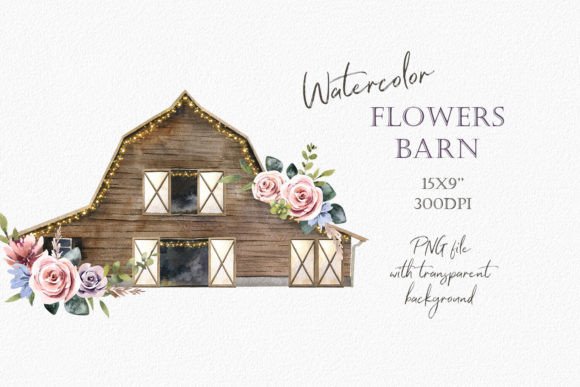
The immediate mood of the Wooden Flowers Barn Watercolor Clipart is undeniably nostalgic. It captures that coveted farmhouse aesthetic that continues to dominate the handmade product market. The interplay between the rigid, weathered texture of the barn wood and the soft, organic flow of the floral elements creates a visual balance that is rare in digital assets. However, as an embroiderer, my eye went straight to the edges. Watercolor styles are notorious for bleeding colors and undefined boundaries, which can be a nightmare for digitizing.
Fortunately, this collection seems to understand the assignment. The contrast between the wooden structure and the botanical accents provides natural break points for color changes. For a custom apparel project or a personalized gift, this distinction is vital. It allows the digitizer to separate the rustic background from the delicate foreground without creating a muddy, over-dense stitch area. The visual personality feels authentic rather than generated, which is crucial for building customer trust in a boutique setting.
The Tote Bag Test: A Real-World Application
To truly evaluate this asset, I mentally prototyped a custom embroidered tote bag for a fall harvest market. Tote bags are the quintessential test for any tote bag design because the canvas texture competes with fine details. In this scenario, the Wooden Flowers Barn Watercolor Clipart shines as a centerpiece rather than a subtle accent. The scale of the barn illustration allows for adequate stitch density without becoming bulletproof.
When planning this embroidery project, I considered how the watercolor effect would render on unbleached cotton. The warm tones in the wood grain would require a blend of fill stitch and running stitch to mimic the painted look without excessive puckering. The floral elements, being lighter, could utilize softer thread colors to create depth. For an Etsy seller, this specific application offers high perceived value. Customers aren't just buying a bag; they are buying a piece of art. The complexity of the illustration justifies a higher price point compared to simple text-based designs, provided the execution is clean.
Navigating Fabric Textures and Stabilizer Choices
While the design is versatile, it demands respect for fabric physics. If you are attempting sweatshirt embroidery, the fleece backing and stretchy knit present challenges. Watercolor effects rely on color blending, which can get lost in the pile of a sweatshirt. I would recommend using a water-soluble topping to keep the stitches crisp and visible. Without it, the intricate details of the wooden planks might sink into the fabric, ruining the intended aesthetic.
For baby embroidery or lightweight linens, the concern shifts to stability. The Wooden Flowers Barn Watercolor Clipart likely contains varying stitch directions to achieve the painterly look. On thin fabrics, this can cause distortion. A cut-away stabilizer is non-negotiable here. Always test on scrap fabric first. If you are producing holiday embroidery items like ornament covers or stockings, ensure the hoop size accommodates the full design without excessive re-hooping, as registration marks on textured holiday fabrics can be unforgiving.
Commercial Viability for Makers and Sellers
For creative entrepreneurs, time is money. Using pre-made illustrations like Wooden Flowers Barn Watercolor Clipart accelerates the design phase, but licensing and uniqueness matter. Before listing any finished product, verify the commercial use terms. Can you sell the physical embroidered item? Can you use the image in a printable mockup? These distinctions protect your small shop product line from copyright issues.
From a branding perspective, this style supports a cohesive shop identity. If your niche is cottagecore, gardening, or rustic home decor, these illustrations serve as excellent design assets across multiple mediums. They work equally well as an embroidered patch for denim jackets or as a digital download for other crafters. However, avoid using the exact same layout for every product. Rotate the florals, isolate the barn, or combine elements to keep your catalog fresh. Buyers engage with variety, even when the core theme remains consistent.
Critical Designer Notes for Successful Stitching
Transitioning from screen to stitch requires technical diligence. Here are practical considerations for using Wooden Flowers Barn Watercolor Clipart in production:
- Check Thread Color Contrast: Watercolor relies on subtle gradients. Ensure your machine threads have enough variation to replicate the shading. Flat colors will make the design look cartoonish rather than artistic.
- Evaluate Stitch Density: If you are digitizing this yourself or hiring a digitizer, request a test sew-out. Overlapping fill stitches in watercolor designs can lead to thread breaks and needle damage.
- Mockup Testing: Before committing to a production run, place the design in black and white mockups. If the values don't read clearly without color, the stitching definition will likely fail on dark fabrics.
- Licensing Verification: Never assume. Check if the digital embroidery file or source art permits modification. Some licenses allow selling finished goods but prohibit altering the original artwork.
- Fabric Compatibility: Avoid highly textured terry cloth or deep-pile fleece unless you are an advanced digitizer capable of compensating for push-and-pull distortion.
Enhancing Product Value Through Presentation
The way you present Wooden Flowers Barn Watercolor Clipart influences buyer perception. In listings for commercial embroidery services or handmade goods, photography matters. Show the texture. Zoom in on the transition between the wood grain and the petals. Customers need to see that this isn't a cheap iron-on transfer but a quality applique design or detailed stitch-out.
Furthermore, consider the emotional connection. This imagery evokes memories of family farms, autumn visits, and simpler times. Leverage this in your product descriptions. Don't just list "barn flower design." Describe it as "heirloom-quality nursery decor" or "vintage-inspired kitchen textile." This narrative layer transforms a simple embroidery file into a meaningful purchase. Whether you are creating wedding gifts with a rustic theme or stocking up for a craft fair, the story sells the stitch.
Final Thoughts on Practical Usage
Wooden Flowers Barn Watercolor Clipart represents a strong contender for makers focused on the rustic and botanical niches. Its strength lies in its balanced composition and inherent warmth, making it suitable for everything from tea towels to boutique apparel. However, success depends entirely on technical execution. Treat it as a premium ingredient that requires careful preparation.
Always prioritize a test run on your intended substrate. Verify that your thread colors harmonize with the watercolor palette. Respect the limitations of your machine and fabric. By approaching this asset with professional scrutiny rather than casual optimism, you ensure that your personalized gift or retail product meets the high standards your customers expect. In the world of machine embroidery, beauty is engineered, not just downloaded. Use this clipart wisely, and it will undoubtedly elevate your portfolio.