Sea Turtle Watercolor Clipart for Embroidery
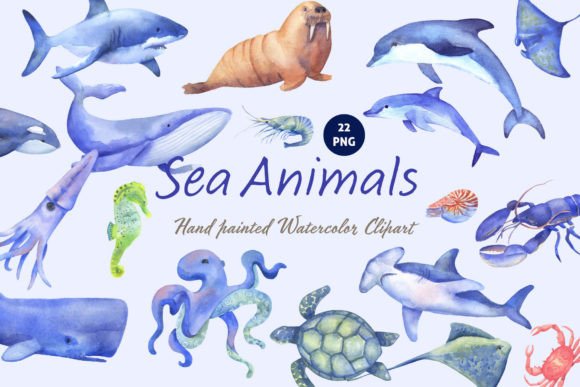
As a professional embroidery designer who has digitized and tested countless aquatic themes, I approach watercolor-style graphics with a healthy dose of skepticism. Translating the soft, bleeding edges of a painted illustration into thread is one of the most technical challenges in our industry. When evaluating this Sea Animal Watercolor Clipart Sea Turtle for potential use in client work or shop inventory, my primary focus is not just on its aesthetic charm, but on its structural viability as a machine embroidery design. This specific illustration captures a gentle, organic mood that feels distinctly handmade rather than mass-produced, making it a strong candidate for personalized gifts and boutique merchandise. However, moving from a digital screen to a physical embroidered patch or sweatshirt requires careful consideration of how those watercolor gradients will actually stitch out.
Evaluating Visual Translation from Screen to Fabric
The first impression of this Sea Animal Watercolor Clipart Sea Turtle is its fluidity. Unlike rigid vector art, the edges are soft and the color transitions are gradual. For an embroidery project, this suggests a need for complex fill stitches or specialized blending techniques to replicate that painterly effect without creating a bulletproof patch of dense thread. In my experience reviewing illustrations for digitizing, this level of detail usually performs best when treated as a mixed-media piece or a high-density fill stitch design with variable spacing. The shape of the turtle is naturally rounded and self-contained, which is excellent news for hooping. It avoids the awkward negative space issues that plague long, horizontal designs, making it versatile for everything from centered chest placements on custom apparel to off-center positioning on tote bags.
For Etsy sellers and creative entrepreneurs, the visual personality here strikes a balance between nursery-appropriate sweetness and sophisticated coastal decor. It does not look cartoonish, which expands its marketability beyond baby items into adult fashion and home goods. When I assess design assets for commercial embroidery, I look for this kind of crossover appeal. A design that works equally well on a linen tea towel and a denim jacket offers better ROI for small business owners managing limited inventory.
Real-World Application: Stitching a Custom Tote Bag
To truly understand the utility of this Sea Animal Watercolor Clipart Sea Turtle, I mentally mapped it onto a recent commission: a heavyweight canvas tote bag intended as a beach wedding favor. Canvas is unforgiving; it has a coarse fabric texture that can swallow fine details. In this scenario, the watercolor style is actually an advantage over crisp line art. If a few stitches sink into the weave of the canvas, the "imperfect" nature of the watercolor aesthetic absorbs that flaw, whereas a precise satin stitch border would look jagged and unprofessional.
However, using this design on a tote bag design requires strategic planning. Because watercolor clipart often relies on subtle color shifts, I would recommend testing thread colors against the natural canvas tone before committing to the full run. The muted greens and blues typical of sea turtle illustrations need sufficient contrast to pop against unbleached cotton. For this project, I would likely pair the digital embroidery file with a simple running stitch outline to define the turtle’s silhouette, ensuring readability even if the internal fill stitches blend into the background. This practical adjustment transforms a pretty picture into a durable, legible finished product that maintains brand consistency and customer trust.
Critical Considerations for Fabric and Hoop Selection
While the Sea Animal Watercolor Clipart Sea Turtle is versatile, there are specific environments where caution is necessary. Watercolor-style embroidery files are often denser than standard designs to achieve color blending. This density makes them risky for thin or stretchy fabrics like lightweight jersey knits. If you are planning baby embroidery on a onesie, you must verify the stitch count and density first. Excessive penetration can distort the garment or cause tearing during washing. In these cases, using a cutaway stabilizer is non-negotiable to support the weight of the thread.
Furthermore, be mindful of small hoop sizes. Reducing a complex watercolor illustration below its intended size can result in muddy details where individual color blocks merge into an indistinguishable blob. Always check the minimum recommended dimensions provided with the file. Similarly, dark fabrics present a challenge for watercolor aesthetics, which typically rely on white or light backgrounds to create luminosity. Stitching this sea turtle onto navy or black material may require a white underlay base or a complete re-colorization of the thread palette to maintain the intended visual impact. Without these adjustments, the design may lose its delicate character and appear flat.
Professional Notes for Makers and Digital Sellers
Whether you are creating physical goods or selling printable mockups and digital products, due diligence is essential. Before listing any item featuring this Sea Animal Watercolor Clipart Sea Turtle, conduct a sew-out test on scrap fabric that matches your final substrate. Inspect the registration points where different colors meet; watercolor styles often have intentional overlaps, but poor digitizing can turn artistic overlap into unsightly gaps. Check whether the licensing permits both personal and commercial use, especially if you plan to sell the embroidered patch or finished apparel. Clarifying these rights protects your craft business from future legal complications.
For those selling digital design assets or using this for printable mockups, ensure your preview images accurately represent how the design behaves on textured surfaces. Customers appreciate transparency regarding complexity. If the design requires advanced stabilizer techniques or specific thread brands to match the watercolor effect, include those notes in your product description. This level of professionalism enhances buyer engagement and reduces returns or support queries.
- Test Contrast: Always verify thread visibility against your chosen fabric color, as watercolor tones can be subtle.
- Stabilizer Strategy: Use adequate backing to prevent puckering, especially given the potential density of fill stitches used to mimic paint.
- Scale Integrity: Avoid resizing below the designer’s specified minimum to preserve the clarity of small details and color gradients.
- Licensing Check: Confirm commercial rights before incorporating the illustration into items for sale or digital distribution.
- Fabric Compatibility: Assess whether the design density suits your material; avoid heavy watercolor fills on sheer or highly elastic textiles.
Ultimately, the Sea Animal Watercolor Clipart Sea Turtle offers a beautiful opportunity to elevate handmade products beyond standard stock designs. Its success lies in respecting the translation process from digital art to thread. By understanding the interplay between stitch density, fabric texture, and color theory, makers can leverage this illustration to create meaningful, high-quality items that resonate with customers. Whether applied to holiday embroidery, nursery decor, or boutique branding, treating this asset with technical mindfulness ensures the final result honors both the original artwork and the craftsmanship of the embroiderer.