Watercolor Magic Mushrooms Clipart: An Embroidery Review
As a professional embroidery designer and product reviewer, I approach every new digital asset with a specific question: will this actually stitch out beautifully on real fabric? When evaluating Watercolor Magic Mushrooms Clipart, my focus shifts immediately from screen aesthetics to needle performance. This collection of illustrations captures a whimsical, cottagecore mood that is currently dominating the handmade market. However, translating soft watercolor edges into thread requires careful consideration of stitch density, fabric choice, and design placement. Below is my practical assessment of using these assets for commercial and personal embroidery projects.
First Impressions and Visual Translation
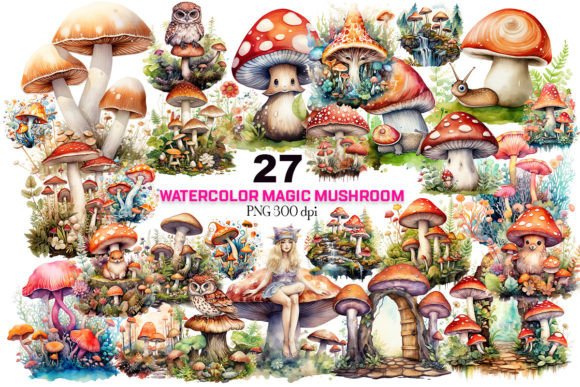
My initial reaction to the Watercolor Magic Mushrooms Clipart was positive regarding its artistic composition. The organic shapes and soft color gradients are visually appealing and evoke a sense of nostalgia and nature. For an embroidery project, this style suggests a move away from rigid, cartoonish outlines toward softer, more painterly stitching techniques. The illustrations possess enough distinct shape definition to work well as either a traditional machine embroidery design or an applique design foundation.
However, watercolor art presents unique challenges in digitizing. The blurred edges seen in the clipart cannot be replicated exactly with thread. In practice, this means the digitized version must rely on strategic fill stitch blending or textured running stitch overlays to mimic that painted effect. If you are purchasing a pre-digitized embroidery file based on this clipart, inspect how the transitions are handled. If you are digitizing it yourself, be prepared to use multiple thread colors and varying stitch angles to create depth without creating bulletproof density.
Real-World Application: The Custom Tote Bag Test
To truly evaluate the viability of Watercolor Magic Mushrooms Clipart, I mentally applied it to a current client request: a custom embroidered tote bag for a local botanical garden gift shop. Tote bags are a staple for any Etsy seller or small shop product line because they offer a large canvas for detailed illustrations.
For this specific application, the mushroom cluster design serves as an excellent centerpiece. The natural, earthy tones complement unbleached canvas perfectly. In this scenario, the design’s visual personality aligns with the target demographic seeking eco-friendly, nature-inspired accessories. As a tote bag design, the artwork allows for a larger hoop size, which is crucial for maintaining detail integrity. Smaller versions often lose the delicate watercolor nuance, turning into muddy blobs of thread. On a 6x10 or larger tote surface, the individual mushroom caps and stems retain their character, making the finished product look like a high-end boutique item rather than a generic craft fair piece.
Fabric Compatibility and Stabilizer Strategy
Not all fabrics play nicely with watercolor-style embroidery. Based on the complexity typical of these illustrations, here is how I recommend approaching different substrates:
- Sweatshirt Embroidery: Fleece and French terry are ideal. The slight texture of the fabric helps hide minor imperfections in color blending. Use a cut-away stabilizer to prevent puckering, as watercolor designs often require higher stitch counts to achieve gradient effects.
- Baby Embroidery: Proceed with caution. While the theme is perfect for nursery decor, ensure the stitch density is low enough to remain soft against sensitive skin. Avoid heavy satin stitch borders; opt for running stitch outlines instead.
- Tea Towels and Linens: These are fantastic candidates. The smooth weave allows for crisp detail. However, because linens can shift, use a tear-away stabilizer topped with a water-soluble film to keep the stitches from sinking into the fabric weave.
- Caps and Hats: I would advise against using full watercolor mushroom clusters on curved cap fronts. The distortion required to fit a flat design onto a curved surface often ruins the delicate proportions of botanical illustrations. Stick to single, simplified mushroom icons for headwear.
Navigating Technical Constraints and Detail Loss
One of the most critical aspects of reviewing Illustrations for embroidery is identifying where the design fails. With Watercolor Magic Mushrooms Clipart, the danger zone is small-scale reproduction. If you attempt to shrink these designs down to a 2-inch patch size for a sleeve cuff or pocket accent, expect significant detail loss. The subtle shading that makes the clipart special will disappear, leaving only basic shapes.
Furthermore, consider the background fabric color. Watercolor designs generally rely on light thread colors to create highlights. Stitching this design onto black or navy fabric requires a white underlay base, which adds substantial stitch density and stiffness. For dark garments, I recommend testing a printable mockup first to see if the contrast holds up, or modifying the design to include bolder outlines that define the mushrooms against the dark background. Without this adjustment, the design may look washed out or undefined on dark apparel.
Commercial Viability for Makers and Sellers
For creative entrepreneurs and Etsy sellers, the value of this clipart extends beyond a single project. The cohesive style allows for brand consistency across a product line. You could easily create a matching set comprising a sweatshirt, a baby bib, and a kitchen towel, all utilizing different elements from the same Watercolor Magic Mushrooms Clipart pack. This uniformity builds customer trust and recognition.
From a licensing perspective, always verify the terms before selling. Some clipart licenses allow for physical products but prohibit selling digital embroidery files. If you plan to sell the digitized version itself, ensure you have commercial rights for derivative digital assets. For those selling finished handmade products, this aesthetic is currently trending high in search volume, particularly for holiday embroidery and personalized gift categories. The "magic" aspect also lends itself well to seasonal marketing without being overtly Christmas-specific, extending the product's shelf life through autumn and early winter.
Essential Designer Notes Before You Stitch
Before committing this design to your final merchandise, adhere to these professional best practices:
- Test on Scrap Fabric: Never run a complex watercolor design directly on a finished garment. Test the stitch density and color blending on a scrap of the exact material you intend to use.
- Check Thread Color Contrast: Monitor the design during stitching. Sometimes colors that look distinct on screen blend together in thread. Be ready to swap in a lighter or darker shade mid-stitch if definition is lost.
- Evaluate Hoop Size Requirements: Confirm the minimum recommended size. Resizing watercolor art below 80% of its original digitized size usually compromises quality.
- Inspect Small Details: Look at tiny elements like spores or grass blades. If they are thinner than 1mm, they may not register clearly. Consider removing micro-details that add bulk without visual value.
- Verify Licensing: Double-check whether the clipart license covers commercial embroidery specifically. Protect your business by ensuring you have the right to sell the finished product.
Final Verdict on Practical Usability
Watercolor Magic Mushrooms Clipart represents a strong opportunity for makers who understand the translation between digital art and textile craft. It excels in medium-to-large applications on stable or lightly textured fabrics like canvas, denim, and cotton fleece. It demands respect for technical limitations regarding size reduction and dark fabric contrast. When executed with proper stabilizer and thoughtful digitizing, it elevates a simple embroidered patch or custom apparel piece into a desirable, professional-grade product. For the discerning embroidery designer, this collection offers a beautiful balance of trend relevance and artistic charm, provided it is treated with the technical precision that watercolor-style embroidery demands.