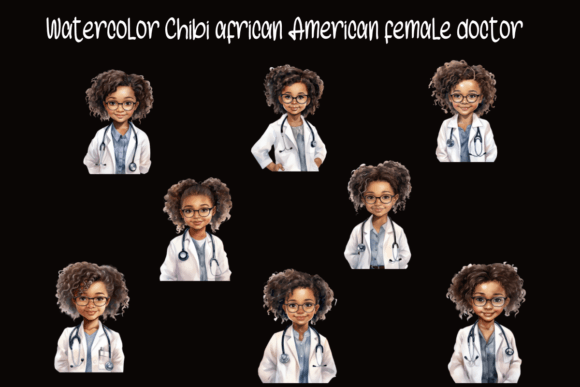
Watercolor Female Chibi Doctor: An Embroidery Review
When evaluating a new machine embroidery design for professional or commercial use, my first question is always about translation. How does this digital illustration actually behave when needle hits fabric? The Watercolor Female Chibi Doctor presents a unique challenge and opportunity because it bridges two distinct worlds: the soft, blended aesthetic of watercolor art and the structured, tactile reality of thread. As a designer who regularly creates custom apparel and personalized gifts for healthcare professionals, I approached this design with a critical eye toward stitchability, market appeal, and practical application in a real-world craft business.
First Impressions and Visual Personality
At first glance, the Watercolor Female Chibi Doctor carries an immediate sense of approachability. In the medical field, where imagery can sometimes feel sterile or intimidating, this chibi style introduces warmth without sacrificing professionalism. The proportions are stylized but respectful, making it suitable for adult wear rather than just pediatric contexts. For an Etsy seller or small shop owner, this visual personality is gold. It signals to the buyer that the finished product will be cute yet mature enough for a nurse, physician assistant, or medical student to wear proudly.
However, as an embroidery file, "watercolor" implies complexity. Unlike flat vector art, watercolor relies on gradients and transparency. When reviewing this design asset, I looked closely at how those gradients were digitized. A poor conversion results in a blocky, paint-by-numbers look. A successful conversion uses variable stitch density and strategic thread blending to mimic the fluidity of the original illustration. This specific design leans into a softer fill stitch approach, which suggests it will have a more organic texture on the final handmade product.
Real-World Application: Stitching for Healthcare Apparel
To truly test the viability of this design, I mentally placed it in a current project scenario: creating custom sweatshirt embroidery for a hospital residency program’s welcome kits. Residents work long hours and value comfort, so the garment choice was a mid-weight cotton blend fleece. This is where the Watercolor Female Chibi Doctor needs to perform under pressure.
On a sweatshirt, the design serves as a focal point, likely centered on the chest or placed over the heart. Because chibi characters have larger heads and smaller bodies, the center of gravity in the design is high. This is actually beneficial for apparel placement, as it keeps the visual weight above the bust line and prevents the design from looking like it is sinking. For this project, I would pair the character with a simple running stitch name or specialty title underneath to anchor the composition. The combination of the detailed character and clean typography creates a balanced, professional layout that increases the perceived value of the merchandise.
I also considered this design for tote bag designs. Medical staff often carry heavy books, tablets, and personal items. A canvas tote featuring this character transforms a utilitarian object into a personalized gift. Here, the watercolor aesthetic works beautifully against natural canvas, as the slight texture of the fabric complements the artistic style of the digitizing. However, this brings us to technical considerations.
Technical Performance and Fabric Considerations
While the aesthetic is charming, the technical execution requires attention. Watercolor-style embroidery files are often denser than standard cartoon designs because they attempt to replicate shading. Before committing this to a bulk order or a client’s expensive garment, you must verify the stitch density.
- Stabilizer Selection: Due to the potential density required for color blending, a cut-away stabilizer is non-negotiable for stretchy fabrics like sweatshirts or t-shirts. Tear-away may not provide enough support during the stitching of complex fill areas, leading to puckering or registration issues.
- Fabric Texture: On highly textured fabrics like terry cloth or thick fleece, fine watercolor details can get lost. If you are using this for baby embroidery on a plush blanket, consider adding a topping or choosing a version of the design with bolder outlines to maintain clarity.
- Hoop Size Verification: Always confirm the dimensions against your hoop size before purchasing. Chibi designs can be deceptively tall. Ensure you have adequate clearance so the design doesn't hit the hoop edges during rotation, which causes alignment errors.
For those considering this as an embroidered patch, evaluate the border. Does the design include a satin stitch edge, or will you need to add one? Patches require a sturdy foundation, and watercolor fills can sometimes be too loose for a standalone merrowed edge without additional backing.
Commercial Viability for Makers and Sellers
For creative entrepreneurs, the Watercolor Female Chibi Doctor is more than just a pretty image; it is a versatile commercial embroidery asset. Its niche specificity makes it highly searchable. Buyers looking for "cute doctor shirt" or "nursing student gift" are often underserved by generic clip art. This design fills that gap.
When listing finished products, presentation matters. Use printable mockups to showcase how the design looks on different colored garments. Watercolor embroidery interacts differently with white versus navy fabric. On white, the pastel tones pop; on navy, they may require a white underlay base to prevent the fabric color from muddying the thread colors. Testing this contrast beforehand ensures your product photos accurately represent the physical item, building customer trust and reducing returns.
If you are selling the digital embroidery file itself, transparency is key. Clearly state the recommended fabric types and stabilizer requirements in your listing. Buyers appreciate knowing if a design is suitable for caps, towels, or knits before they buy. This level of detail distinguishes professional design assets from amateur conversions.
Designer Notes for Successful Outcomes
Before launching this design into production or sale, run through this practical checklist to ensure quality and compliance:
- Test Stitch is Mandatory: Never skip the test sew on scrap fabric similar to your final project. Check specifically for registration between color blocks and the integrity of facial features at small sizes.
- Thread Color Matching: Watercolor effects rely on specific thread shades. Verify if the digitizer provides a color chart. Generic substitutions can flatten the 3D effect of the watercolor style.
- Licensing Check: Confirm whether your license covers finished physical products, digital resale, or both. Terms vary significantly between designers, and assuming commercial rights can lead to legal issues for your craft business.
- Scale Testing: Resize the design within safe limits (usually +/- 10-15%) to see how the stitch count adjusts. Shrinking a watercolor design too much can cause thread breaks and loss of detail, while enlarging it may create sparse coverage.
- Wash Test: If selling baby embroidery or kitchen textiles, wash the test sample. Watercolor fills can sometimes snag or pull if the top thread tension isn't balanced correctly against the bobbin.
Elevating the Handmade Product
Ultimately, the Watercolor Female Chibi Doctor succeeds because it respects both the art form and the end-user. It avoids the trap of being overly juvenile while retaining the charm that makes chibi art popular. For the maker, it offers a chance to produce items that feel bespoke and thoughtful. Whether applied to a holiday gift for a colleague, a boutique product line, or a personalized cap, this design brings a human touch to a demanding profession.
Success with this design lies in respecting its technical nature. Treat it as a premium illustration that demands proper stabilization, thoughtful placement, and careful color management. When executed well, it transforms a standard garment into a cherished piece of identity for healthcare workers, proving that even in uniform, there is room for individuality and joy. By focusing on these practical realities rather than just the visual preview, you ensure that every stitch contributes to a product that is durable, beautiful, and commercially viable.